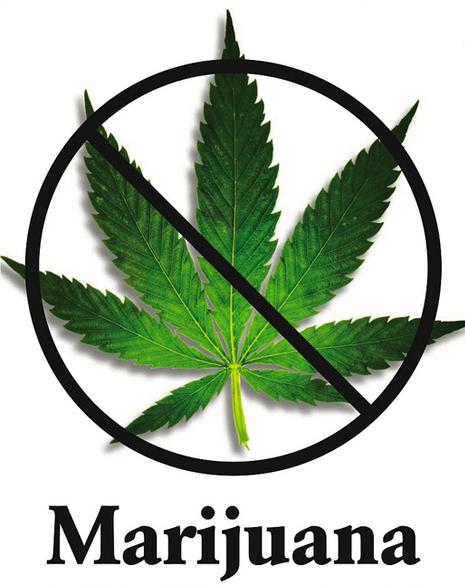
A State cannot be involved with the distribution of substances considered immoral by relevant lots of the population. A substance considered unhealthy cannot be produced and distributed with the help of the state, because the goal of the state is to protect citizens’ health and not to expose them to risk.
The easy availability of drugs would create new consumers rather than rescuing current ones.
Drugs are addictive. They rob the user of free will. A drug user cannot make an informed and rational decision to continue using drugs because the use of the drug eliminates that user’s ability to think logically. Nor can they disseminate themselves from drug taking.
Drug use is dangerous to persons besides the user. In the rise of health care costs, violence associated with the use of drugs, neglect of children by drug-addicted parents, and other third party effects.
The use of soft drugs, such as marijuana, leads to the use of hard drugs (the Gateway Theory).
Legalizing drugs will send a message to children that drug use is acceptable
Some other facts to take into account
Marijuana is an addictive, gateway drug. It significantly impairs bodily and mental functions, and its use is related to increased violence. These are facts.
Yet proponents of legalizing the drug studiously deny or downplay the well-documented dark side of marijuana trafficking and use. Instead, they promise benefits ranging from reduced crime to additional tax revenue.
Prohibition must be weighed against the loss of personal freedom. Countries have a responsibility to respect individual free will and the right of self-determination.
The immorality of marijuana use can only be based on one set of moral beliefs. By taking a “moral” stand against recreational drugs, or fighting the evils caused by the illegal drug trade they increase their popularity amongst constituents.
The War on Drugs serves the immediate interests of politicians. By taking a “moral” stand against recreational drugs, or fighting the evils caused by the illegal drug trade they increase their popularity amongst constituents.
Legal prohibition does not stop consumers from consuming drugs, it does not stop trafficers from producing and selling it. The price of the final product increases to abnormally high values because of the black market status, which together with the powerful effects of drug addiction causes users to commit crimes in order to fund their addiction.
Critics of the War on Drugs advocate the partial or complete decriminalization of illegal drugs, combined with a system of regulation, as happens with alcohol and prescription drugs. By providing legal supplies of currently illegal drugs the price will fall, leading to a collapse in the illegal drug industry, and a reduction in crimes committed by both drug suppliers and users. They also argue that the reduction in the price will lead to little, if any, growth in drug addiction, due to the inelasticity of demand. Some even state that in a strictly regulated market, drug use may fall overall, by removing the marketing activities of the illegal drug industry.
It is not worthwhile for a law to forbid people from willingly exposing their own bodies to harm by using drugs, any more than by overeating or bungee-jumping. Obesity is a national epidemic, killing millions every year, but the government has no right to regulate how much citizens eat.
Drug users exercise free will when they chose to use drugs; a person has the right to give up his or her own freedom. A Government does not have the right to dictate them. No drug eliminates free will. It is possible to quit using any drug. Many banned drugs are significantly less deleterious to free will than legal alcohol or tobacco. Severe physiological addiction has been demonstrated for tobacco (stronger than cocaine), but no strong physiological addiction has been shown for marijuana.
Illegal Drug dealers will sell to anyone, including children. Merchants who legally sell alcohol and tobacco are not allowed to sell to children. Many high school students report that it is easier to obtain illegal drugs than alcohol and tobacco.
Marijuana
has also been around its time that we finally do something about it and start
to regulate it and make laws where it
can be legal and enjoyed by all. Too many people still look down on
the drug simply due to its false reputation. Most of the people against it have
never once looked into the benefits it holds and may never will. No one is telling you to use marijuana
as well, but the choice should be free for anyone to choose. We all seek pleasure in our life
everyday and everyone has his or her own way to achieve that. For some, that source of pleasure is
marijuana and all they want is to gain that pleasure like others do. The push
for marijuana use is simply a chain of dominoes about to be hit. In the near future America will legalize
marijuana use for its people and America will be put right back on their high
horse (pun intended).
Check out a video onJohn Stewartmocking and telling jokes about why Marijuana being banned is joke.
However, although there is plenty of reasons why Marijuana should be legal it all comes down to abuse and why the risk of abuse is so high to young kids and teenagers or even any other age. Most that is effected out of all the age groups are 18 yr old to mid 20's here are some facts proving that below.
Grades
Grades and academic achievement are almost always associated with drug abuse in college students, reports the Higher Education Center for Alcohol and Other Drug Prevention. Students who smoke pot are more likely to spend tons of amounts of time at parties and less time studying. Students who use marijuana are less likely to spend any more than two hours per day in studies and typically carry a B average or less. Students who use marijuana tend to have difficulty concentrating, poor judgment capabilities and diminished long-term memory. Long-term use leads to depleted motivation and concern about the future and their careers.
Risky Behavior
Marijuana users also gravitate toward other high-risk behaviors out of personality tendencies and the released inhibitions that accompany marijuana users. Nine out of ten college-aged marijuana users also drink alcohol and smoke cigarettes. They become involved in risky sexual behaviors that put them at an increased risk for sexually transmitted diseases. Because marijuana slows reaction times, driving under the influence puts students at greater risk for being involved in an automobile accident.
Health
Marijuana smokers of all ages are at a high risk for developing respiratory diseases such as bronchitis and emphysema. College students who are still in the developmental stages also face delays in sexual development and a decrease in sperm production. Pot smoking can disrupt menstrual cycles and lead to a decrease in ovulation. Marijuana use damages the immune system, leaving students at higher risk of developing infection and having slower healing rates from common illnesses like the cold or flu.
Personality Changes
The immediate effects of marijuana use in college students are almost always apparent. Upon inhalation of the THC chemicals in marijuana, students experience increased heart rate, dry mouth and blood shot eyes. They lose coordination and have difficulty speaking and listening, interrupting class work and social relationships. The altered states of being high make it more difficult to acquire and retain new information and comprehend new ideas and information. Marijuana is psychologically addicting, which can lead to the need for treatment and loss of time that could be spent towards a degree.